Managing money has changed significantly over the past decade. Daily financial tasks that once required physical effort are now handled digitally with greater speed and accuracy. One of the most important shifts is the rise of bill payments through digital platforms. From utilities to subscriptions, digital bill payment has become a core part of modern money management. Alongside tools like a quick loan app, it plays a central role in organizing cash flow, improving financial awareness, and reducing missed obligations.
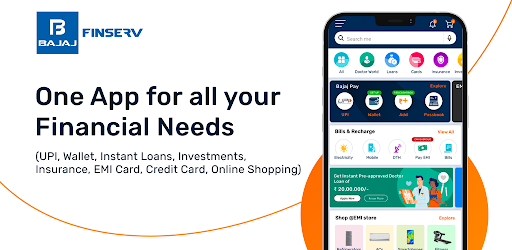
Digital bill payments are no longer just about convenience. They have become a structured financial habit that helps individuals plan expenses, maintain consistency, and gain better visibility over their spending patterns. As financial routines become more digital, understanding how bill payments fit into broader money management is essential.
Understanding Digital Bill Payment
What Is Digital Bill Payment?
Digital bill payment refers to the process of paying recurring or one-time bills through online platforms. This includes payments for electricity, water, internet services, education fees, insurance, and other household or personal expenses. Instead of cash or physical visits, users can complete bill payments through mobile devices or computers.
Unlike traditional methods, digital bill payments provide confirmation records, payment histories, and scheduling options. These features support organized money management and reduce dependency on manual tracking.
Why Digital Bill Payments Matter Today
As incomes, expenses, and financial commitments become more interconnected, managing them manually increases the risk of errors. Digital bill payments help align expenses with income cycles, especially when combined with financial tools like a quick loan app that supports short-term liquidity needs.
The shift toward digital payments reflects a broader focus on efficiency and accountability in personal finance.
Digital Bill Payment and Financial Control
Improved Expense Visibility
One of the biggest advantages of digital bill payments is transparency. Every transaction is recorded automatically, allowing users to review past payments easily. This creates a clear picture of monthly obligations and spending patterns.
When bill payments are visible in one place, it becomes easier to:
- Identify recurring expenses
- Track due dates
- Monitor changes in billing amounts
- Compare spending across months
This level of visibility is essential for modern money management.
Better Cash Flow Planning
Digital bill payments allow users to align payments with income schedules. Scheduled payments help avoid last-minute stress and ensure essential bills are paid on time. When paired with tools like a quick loan app, individuals can manage temporary cash gaps without disrupting bill payments.
Consistent bill payments reduce late fees and help maintain financial stability.
Role of Automation in Bill Payments
Scheduled Payments and Reminders
Automation is a key feature of digital bill payments. Users can set reminders or automate payments entirely. This reduces the mental burden of remembering multiple due dates.
Automated bill payments support:
- Timely payments
- Reduced penalties
- Consistent financial habits
Automation also allows individuals to focus on long-term financial planning instead of day-to-day payment tracking.
Reducing Human Errors
Manual bill payments often lead to missed deadlines or incorrect amounts. Digital systems minimize such errors by storing payment details and generating alerts. This accuracy strengthens financial discipline and supports reliable money management.
Digital Bill Payments and Budgeting
Creating a Structured Budget
Digital bill payments make budgeting more practical. With accurate payment histories, users can categorize expenses and assign realistic limits. Fixed bills become predictable, making it easier to allocate funds for savings and discretionary spending.
A structured approach to bill payments ensures essential expenses are prioritized every month.
Identifying Unnecessary Expenses
When reviewing digital bill payment records, users may notice services they no longer use or bills that have increased unexpectedly. This awareness allows timely adjustments, helping reduce unnecessary spending.
Modern money management depends on informed decisions, and digital bill payments provide the data needed to make those decisions.
Security and Reliability in Digital Bill Payments
Secure Transactions
Digital bill payment systems use multiple layers of protection to secure transactions. Authentication steps and encrypted processes help safeguard financial information. This reliability builds trust and encourages consistent usage.
Security is a major reason why digital bill payments have become a preferred option for managing regular expenses.
Consistent Payment Records
Digital records serve as proof of payment, which can be useful during disputes or service interruptions. Having access to historical bill payments ensures clarity and accountability.
How Digital Bill Payments Support Financial Flexibility
Managing Unexpected Expenses
Life does not always follow a fixed financial plan. Unexpected expenses may arise, affecting the ability to pay bills on time. Digital tools, including a quick loan app, help bridge short-term gaps without disrupting bill payments.
This flexibility ensures that essential services continue uninterrupted.
Supporting Multiple Payment Methods
Digital bill payments often allow users to choose from different payment sources. This flexibility helps manage funds efficiently and adapt to changing financial situations.
Digital Bill Payments as a Long-Term Habit
Encouraging Financial Discipline
Regular digital bill payments promote consistency. Over time, this builds financial discipline and reduces anxiety related to money management. Knowing that bills are handled systematically provides peace of mind.
Adapting to Evolving Financial Needs
As financial needs evolve, digital bill payment systems adapt easily. New bills can be added, schedules can be adjusted, and payment methods can be updated without disrupting routines.
This adaptability makes digital bill payments suitable for long-term financial planning.
The Future of Money Management and Bill Payments
Digital bill payments are not a temporary trend. They represent a fundamental shift in how people interact with money. As financial tools continue to evolve, bill payments will remain a foundational element of organized money management.
Integration with budgeting tools, expense tracking, and financial planning systems will further strengthen their role in daily financial life.
Conclusion
Digital bill payments have become an essential component of modern money management. They provide structure, transparency, and reliability, helping individuals stay in control of their finances. When combined with supportive tools like a quick loan app, bill payments can be managed smoothly even during temporary financial challenges.
By offering better visibility, automation, and security, digital bill payments reduce stress and improve financial discipline. As personal finance continues to move toward digital systems, bill payments will remain a key factor in building stable and organized financial habits. Embracing digital bill payments is not just about convenience; it is about creating a smarter and more balanced approach to money management.
Leave a Reply